Lawn Mowing in Chelsea

Keeping a lawn neat in Chelsea calls for a steady, well-planned mowing service that suits the garden rather than forcing the garden to suit the cut. Our lawn mowing work is focused on creating a clean finish, a tidy edge and a healthy-looking sward, with attention to the practical details that matter in front and rear gardens, courtyards and communal green spaces. The service is built around regular maintenance, careful trimming and sensible timing, so the grass is cut properly instead of merely shortened.
We work with lawn mowing as the central task, but a good result usually depends on more than passing a mower across the surface. Edges, obstacles, access points and grass condition all affect the finish. That is why our mowing approach can be combined with related garden care, including garden maintenance where the lawn forms part of a broader upkeep plan, and hedge trimming when boundary planting needs to be kept in shape alongside the grass. The aim is a balanced outdoor space that looks managed without appearing overworked.
For many properties, the most useful mowing service is one that fits the pace of the garden through the year. Growth changes with weather, shade and use, so the right frequency is not always the same from one season to the next. If you would like to organise lawn mowing in Chelsea, start with the size and condition of the grass in mind and ask for a quotation when you are ready.
Regular mowing for tidy, usable grass
Regular mowing is often the simplest way to keep a lawn looking even and usable. Cutting too much at once can stress grass, while leaving it too long can make the next cut less effective. A consistent service helps reduce that swing, keeping the surface manageable and the shape of the lawn easier to maintain. It is particularly useful where the grass is part of a front garden presentation or where an outdoor area is used frequently and needs to stay orderly.
We can also keep attention on the shape of the whole lawn, not just the height of the grass. Straight lines, smooth turns and sensible edging all contribute to the finish, especially in smaller gardens where every corner is visible. When useful, our mowing work can sit alongside broader garden clearance if the area contains cuttings, overgrowth or debris that should be removed before the grass can be maintained properly. That combination can make the space easier to manage from one visit to the next.
Regular mowing is most effective when the grass is allowed to recover between cuts and the lawn is not forced into an unsuitable pattern. Shorter is not always better; the right cut depends on how the lawn is growing and how the space is used. For some properties, a neat weekly appearance matters most. For others, a lighter programme that keeps the garden presentable without unnecessary disturbance is the better fit. Either way, the service should support the lawn, not fight it.
Lawn edging, finish and detail

A well-mown lawn is judged as much by its edges as by its centre. Uneven margins can make even a freshly cut garden appear unfinished, so edging is an important part of the service. We can work around paths, borders and boundary lines to produce a crisp outline that frames the grass more cleanly. That detail matters in compact city gardens, where the outer lines are often seen first and where a defined edge gives the whole space a more polished look.
Careful mowing also means paying attention to features such as steps, ornaments, planting beds and awkward corners. Some lawns need smaller equipment or a slower pass to avoid leaving missed patches or scuffing nearby surfaces. Where trees or taller planting affect the lawn, the finish can be improved by coordinating with tree lopping and removal or related garden work, especially when shade, fallen debris or obstructed access affects how the grass grows and how the mower can be used.
Our goal is not just to cut grass, but to leave the lawn looking coherent. That includes the visual relationship between the open grass area, the borders and any nearby hard landscaping. A steady mowing pattern can improve the look of the whole garden without making it feel stripped back. If the lawn has become uneven, the first visit may need a more careful approach than later maintenance, and that is best judged from the actual condition of the grass.
What affects mowing frequency and approach
Lawn mowing is not a one-size-fits-all task. Growth rate, shade, rainfall, soil condition and how the garden is used all influence how often the grass should be cut and how much should be removed each time. A lawn with stronger growth may need more frequent attention, while a shaded or lightly used lawn may require a gentler routine. The right approach keeps the grass presentable without cutting so hard that it loses vigour.
Useful factors to think about before arranging mowing include:
- the approximate size and shape of the lawn
- how long the grass has been left to grow
- whether there are slopes, tight corners or steps
- if clippings should be removed or left lightly mulched
- whether other garden work is needed at the same time
These points help shape a sensible quotation and avoid assumptions about the work needed. If you are comparing options, it can also help to look at broader services such as services overview to see how mowing sits alongside other garden tasks. A good plan is practical and proportionate: the work should reflect the lawn’s actual condition, not an imagined ideal.
Supporting the lawn through the seasons
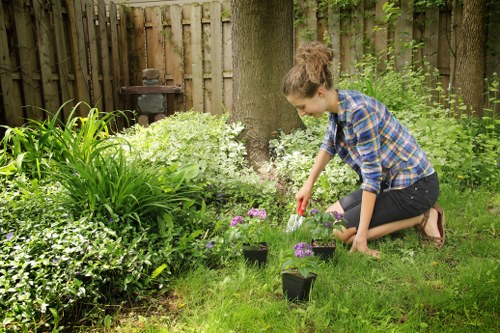
A lawn changes through the year, and mowing should respond to that rather than follow a fixed rule without thought. In periods of stronger growth, cutting may need to be more frequent, while in slower conditions the work can be reduced to avoid unnecessary stress. Grass that has become patchy, worn or congested may benefit from a less aggressive cut and more careful timing. The emphasis should always be on maintaining the lawn’s condition as well as its appearance.
Where mowing is part of a wider garden care plan, related services can make the overall result more consistent. Landscape gardening may be relevant when the lawn sits within a redesigned outdoor area, while landscaping can support changes to the wider space if paths, beds or layout need attention. Those services are different from routine mowing, but they can help when the garden itself needs a more considered structure around the grass.
Seasonal care also means being realistic about the lawn’s condition. If the grass has grown long, the first cut may need to be handled in stages to avoid removing too much at once. If the lawn is freshly established, a lighter touch may be better until it is ready for more regular maintenance. The right decision depends on the lawn in front of you, not a generic schedule.
Combining mowing with wider garden upkeep
Many customers prefer lawn mowing to sit within a broader upkeep visit rather than being handled in isolation. That can be useful where the garden has fallen slightly behind, because grass, hedges and general tidying often influence one another. A lawn looks sharper when the surrounding growth is trimmed and the space is kept clear. If you want a more complete finish, our mowing work can be planned alongside garden maintenance so the lawn is part of a regular, manageable routine.
There are also times when the garden needs a reset before maintenance becomes straightforward. Overgrown areas, cuttings, dropped leaves or scattered waste can interfere with mowing and make the surface harder to finish neatly. In that situation, garden clearance may be the better starting point, especially where the lawn is partly hidden or access is restricted. Once the area is cleared, the grass can usually be maintained more cleanly and consistently.
Combined work does not mean the same treatment for every garden. A compact Chelsea courtyard, for example, may need precise edging and careful manoeuvring, while a larger private garden may call for a more straightforward mowing pattern with additional attention to borders. The practical choice is the one that leaves the whole space orderly without introducing unnecessary disruption. That is why we think about mowing as part of the garden’s layout, not just as a single task.
About Chelsea

Chelsea is a district in west London on the north bank of the River Thames, long associated with elegant streets, garden squares and a strong residential character. Historically part of the county of Middlesex, it became absorbed into the modern London borough structure in the twentieth century and is now within the Royal Borough of Kensington and Chelsea. Its riverside setting, older street pattern and mix of domestic, cultural and retail uses give the area a distinct urban fabric. Many of its streets are lined with terraces and mansion blocks, while the wider district includes notable public spaces and institutions that have helped shape its identity over time. The area is also linked with the Chelsea Physic Garden, founded in 1673, one of London’s oldest botanic gardens and an important reminder of the district’s long horticultural associations. Along the river, promenades and embankment views connect Chelsea with neighbouring parts of west London, while inland streets such as King’s Road and the squares off it reflect changing fashions in architecture, commerce and urban living across the centuries. The result is a place that combines historic reputation with everyday residential life, public gardens and a lively built environment.
Access, preparation and practical quotation details
When arranging lawn mowing, it helps to think about the practical conditions that affect the work rather than only the result you want. Access through side gates, shared entrances, basement paths or courtyard doors can shape how equipment is brought in and how the job is completed. If the lawn is bounded by fragile planting, ornaments or paved surfaces, that can also influence the method used. Clear information at the quotation stage makes it easier to match the service to the garden and avoid unnecessary assumptions.
For a straightforward enquiry, it is usually enough to provide the lawn’s approximate size, its current condition and whether any other garden tasks are needed at the same time. If the lawn has been left for a while, say so plainly; if the grass is part of a wider tidy-up, mention that too. This keeps the quotation focused on the real work rather than a generic description. If you are ready to proceed, you can ask for a quotation and explain the level of mowing and edging you want.
Some gardens only need a single visit, while others are better suited to a regular maintenance pattern. The right choice depends on how quickly the grass grows and how presentable the space needs to remain. If you want a reliable starting point, pricing and quotes is a useful page to review before making contact. It can help you think about the scope of the work and what information will be most useful when you request an estimate.
Detailed mowing for smaller and more complex spaces

Not every lawn is a simple open rectangle. Chelsea gardens often include narrow strips, split levels, awkward corners or boundaries interrupted by steps and planting beds. These spaces need a slower, more deliberate approach so the cut remains even and the surrounding features are left undisturbed. A lawn mowing service should be able to adapt to the shape of the garden rather than expect the layout to be straightforward. That is especially important where the finish is highly visible from windows or seating areas.
Where mowing is part of a more involved outdoor project, related work may be relevant. Decking services can be useful when the garden includes a raised or bounded surface that meets the lawn, and careful coordination between hard landscaping and grass cutting can improve the overall appearance of the space. If a garden is being reorganised rather than simply maintained, mowing can be one element in a wider plan that also considers access, circulation and clean edges.
Our service remains focused on the grass itself, but good mowing respects the rest of the garden. That means avoiding rushed passes, leaving a tidy result and keeping the lawn in a condition that is easier to maintain afterwards. If you would like to move ahead, ask for a quotation and describe the lawn as it is now, not as it might be after other work is completed. That gives the clearest basis for a sensible response.
Choosing the right lawn care support
Some customers only need mowing, while others find that the lawn sits within a wider set of garden priorities. A straightforward cut may be enough where the grass is already healthy and the borders are tidy. In other cases, mowing alone will not give a good overall result because the surrounding areas also need attention. That is why it can be useful to compare mowing with related services and decide what the garden actually needs, rather than assuming one visit can solve everything.
For broader property care, it may help to look at supporting pages such as about us or contact us when you are ready to discuss the work. If you are still working out the scope, recycling and sustainability may be relevant where green waste handling forms part of the job. Each of these pages serves a different purpose, but together they can help you understand how a mowing request fits within the wider service offer. The important point is to choose the level of support that matches the condition of the garden.
Whether the job is a light tidy or a more involved maintenance visit, the purpose is the same: to leave the lawn looking cared for and easier to live with. If you need a regular cut or a one-off clear-up, our lawn mowing in Chelsea can be arranged around the garden’s actual condition. Request a quotation when you are ready and tell us what the lawn needs.