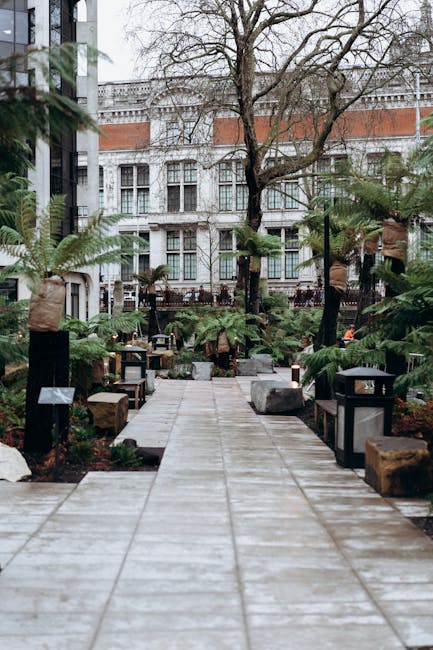
Chelsea Harbour courtyard garden guide for local gardeners
If you are working on a courtyard in Chelsea Harbour, you already know the setup is a little different from a standard back garden. Space is tighter, light can be tricky, wind can whip around buildings, and every planting choice matters more than it would elsewhere. That is exactly why this Chelsea Harbour courtyard garden guide for local gardeners is worth your time. Done well, a courtyard can feel calm, private, and surprisingly lush. Done badly, it can feel cramped, thirsty, and oddly high-maintenance. Nobody wants that.
This guide brings together practical design ideas, planting advice, maintenance routines, and local considerations for gardeners in Chelsea Harbour and the wider west London area. Whether you are refreshing a small paved space, rescuing a tired container garden, or planning something more polished for a townhouse courtyard, the aim here is simple: help you make good decisions without wasting money, plants, or weekends. Truth be told, a well-kept courtyard often comes down to a handful of smart choices.
For readers who are also looking at broader garden improvements, you may find it useful to explore our garden design London service page, or our dedicated garden maintenance London support if your space needs regular upkeep. If your project is more compact and decorative, our container gardening London page may also be relevant.
Table of Contents
- Why Chelsea Harbour courtyard garden guide for local gardeners Matters
- How Chelsea Harbour courtyard garden guide for local gardeners Works
- Key Benefits and Practical Advantages
- Who This Is For and When It Makes Sense
- Step-by-Step Guidance
- Expert Tips for Better Results
- Common Mistakes to Avoid
- Tools, Resources and Recommendations
- Law, Compliance, Standards, or Best Practice
- Options, Methods, or Comparison Table
- Case Study or Real-World Example
- Practical Checklist
- Conclusion
- Frequently Asked Questions
Why Chelsea Harbour courtyard garden guide for local gardeners Matters
Chelsea Harbour courtyards sit in a very specific kind of urban environment. You are often dealing with enclosed walls, reflective surfaces, nearby buildings, and a mix of sun pockets and shade patches that change through the day. That makes courtyard gardening both rewarding and slightly unforgiving. A plant that looks cheerful in a sunny nursery bed may sulk in a shaded, wind-pruned terrace. A beautiful pot can become a drainage problem. A clever layout can make a tiny space feel twice as generous.
For local gardeners, the value of a courtyard garden guide is not just aesthetics. It helps you avoid the common trial-and-error spiral where people buy plants first and solve the site later. To be fair, nearly everyone has done that at least once. The better approach is to read the space properly: light, shelter, access, materials, watering, privacy, and how you actually use the area day to day.
In Chelsea Harbour, courtyard spaces are often used as quiet outdoor rooms rather than purely ornamental gardens. That changes the brief. You may need seating, screening, fragrance, year-round structure, and plants that look good from a window in January as well as a sunny afternoon in June. A thoughtful plan can turn a hard-surfaced courtyard into one of the most enjoyable parts of a home.
There is also a maintenance angle. Smaller gardens can still become time-consuming if the planting is messy or the irrigation is awkward. A strong plan creates ease, not just beauty. That is especially useful for busy homeowners, tenants, or property managers who want a dependable result without constant fuss.
How Chelsea Harbour courtyard garden guide for local gardeners Works
The basic idea is straightforward: assess the courtyard, choose plants and materials that suit the conditions, and build a maintenance routine that keeps everything healthy and tidy. The difficulty lies in the detail. Courtyard gardens are rarely neutral environments. They are influenced by the built surroundings in a way that bigger gardens are not.
Here is the practical sequence most local gardeners should follow:
- Measure the space properly. Include edges, alcoves, steps, storage access, and any fixed features.
- Map light and shade. Note where direct sun falls in the morning, midday, and late afternoon.
- Check exposure. Courtyards can trap wind in odd ways, especially around openings and tall walls.
- Decide how the space will be used. Seating, dining, planting, screening, pets, or a mix?
- Choose a planting style. Evergreen structure, seasonal colour, shade planting, or a layered scheme.
- Plan watering and drainage. Containers, raised beds, and paved areas all need different care.
- Build in maintenance from the start. The best courtyard is one you can actually keep looking good.
That process sounds simple, and it is. But each stage prevents a different kind of headache. For example, many people underestimate how quickly containers dry out near stone walls on a warm afternoon. Others overlook drainage and end up with soggy roots after a wet spell. In a courtyard, small mistakes show fast.
If you are already comparing broader service options, our planting design London page may help if you want a more structured planting scheme, while our garden lighting London page is relevant for spaces that need evening atmosphere or safer movement after dark.
Key Benefits and Practical Advantages
A good courtyard garden does more than look polished. It improves how the home feels and functions. In an area like Chelsea Harbour, where outdoor space may be limited but highly valued, that matters a lot.
| Benefit | What it means in practice | Why it matters locally |
|---|---|---|
| Better use of small space | Clear zoning for seating, planting, and circulation | Makes tight courtyard layouts feel more generous |
| Improved year-round appeal | Evergreens, structure, and winter interest | Important when the garden is seen from inside often |
| Lower maintenance | Plants matched to light, wind, and watering needs | Saves time in a busy urban routine |
| More privacy | Screening with planting, trellis, or mixed layers | Useful where neighbouring windows or shared spaces are close |
| Stronger property presentation | A neat, coherent outdoor room | Helps with everyday enjoyment and resale appeal |
One of the underrated benefits is how much a courtyard can change your daily routine. A small bench in the right spot, a cluster of scented plants near the door, a bit of evening light - suddenly the space becomes somewhere you actually use. Not just admire from a window. And that changes everything.
There is also a simple psychological gain. A well-planted enclosed garden softens urban noise and gives the eye somewhere to rest. You hear the city, of course, but the space feels calmer. That is a real thing, not just a nice idea.
Who This Is For and When It Makes Sense
This kind of courtyard garden planning makes sense for a few different groups. Some people want a fresh start, others need to make an existing space more manageable, and some simply want a smarter use of a very limited footprint.
- Homeowners who want a private, elegant outdoor room with less guesswork.
- Landlords and property managers who need a tidy, durable courtyard that stays presentable.
- Busy professionals who want a garden that looks good without constant upkeep.
- New movers settling into a Chelsea Harbour property and learning what the site can actually support.
- Local gardeners helping clients refresh planting, improve structure, or solve awkward light conditions.
It makes particular sense when the current garden feels off in one of these ways: too bare, too hot, too damp, too shaded, too exposed, or just visually messy. Sometimes the issue is not the plants at all. It is the layout. Or the pots. Or the fact that no one thought about winter, which is fair enough until December rolls around.
If you are in the middle of a larger outdoor refresh, our patio design London page may also be useful, especially where hard landscaping and planting need to work together neatly.
Step-by-Step Guidance
1. Start with the site, not the shopping list
Before choosing plants, spend time observing the space. Look at how water behaves after rain, where the strongest wind comes through, and which areas catch direct sun. If you can, visit the courtyard at different times of day. Morning and late afternoon can tell you very different stories.
Take note of wall colour too. Pale walls can reflect light and heat, while darker surfaces may keep a space cooler and more shaded. That tiny detail can affect plant performance more than people expect.
2. Define the function of the garden
Ask what the courtyard needs to do. Is it mainly a quiet sitting area? A route between rooms? A place for herbs and pots? A decorative backdrop viewed from indoors? The answer shapes everything else. A narrow circulation path demands different planting from a sociable seating courtyard.
Try not to make the space do every job at once. That is where courtyards become awkward. Keep the purpose clear, and the design will usually follow more naturally.
3. Choose a planting theme that suits the conditions
Courtyard planting works best when it feels deliberate. In shaded spaces, choose layered foliage, textural contrasts, and flowers that cope with less sun. In brighter courtyards, you can use Mediterranean-style planting, ornamental grasses, scented climbers, and bolder colour.
For a Chelsea Harbour setting, many people prefer a restrained palette with strong structure. Think evergreens, clipped shapes, seasonal highlights, and a few accent plants rather than too many competing colours. It feels calmer and ages better.
4. Build layers, not clutter
A successful courtyard often has three layers: ground level, mid-level planting, and vertical interest. Ground level might be containers or low planting. Mid-level could be shrubs, small trees, or tall perennials. Vertical interest comes from trellis, climbers, screens, or wall-mounted features.
This layering creates depth. Without it, a courtyard can look flat and hard. And yes, even a small space needs depth. Especially a small space.
5. Solve drainage and watering early
Containers need drainage holes. Raised beds need a sensible build-up. Paved areas need checks for standing water. If automatic irrigation is being considered, think carefully about access, pressure, and how often the space will be monitored. In our experience, the most elegant gardens are often the ones with the least visible watering hassle.
For local gardeners, a simple watering routine may be enough in many cases, but summer heat can change that quickly. Pots close to brick or stone walls may dry fast, and windy conditions can make daily checks necessary during warm spells.
6. Finish with details that feel intentional
This is where the garden starts to feel like a place rather than a project. Use matching or complementary planters. Keep materials consistent. Add a seat that belongs to the space. Consider lighting if the courtyard is used in the evening. A couple of well-placed details can do more than a dozen scattered ones. Honestly, less is often better here.
Expert Tips for Better Results
Below are the kinds of practical pointers that save time and improve the result. Nothing flashy. Just the stuff that tends to matter once the first excitement wears off.
- Use repetition. Repeating a few plant types or planter finishes makes the space feel calmer and more expensive-looking.
- Choose plants for behaviour, not just appearance. A lovely plant that flops, self-seeds wildly, or dries out every week is not really a friend.
- Prioritise evergreen structure. Courtyards are often visible in winter, so bones matter.
- Leave breathing room. A packed courtyard can feel busy very quickly. Empty space is not wasted space.
- Think in view lines. What do you see from the doorway, the kitchen, or the main seating spot?
- Use scent near touchpoints. Herbs, lavender, sarcococca, jasmine, or other suitable scented plants can lift a small garden beautifully.
- Make maintenance obvious. If pruning, deadheading, or watering is awkward, the garden will suffer later.
One small but useful habit: keep a note on your phone of what thrives and what complains. After one season, you will see patterns. Maybe one corner is colder than expected. Maybe one planter bakes in afternoon sun. This kind of observation beats generic advice every time.
And if you are working for a client, or managing a property, those notes are gold. They turn guesswork into a living record.
Common Mistakes to Avoid
Courtyard gardens are compact, which means mistakes are easier to spot. Some are cosmetic, but others are costly. Here are the ones that come up most often.
- Choosing plants without checking light levels. Shade-loving and sun-loving plants are not interchangeable, no matter how tempting the label looks.
- Using too many different materials. Too many planter styles, colours, and textures can make a small courtyard feel cluttered.
- Ignoring drainage. Standing water in containers or low points is a classic problem.
- Forgetting winter structure. A summer-only garden can look sparse and a bit sad for several months.
- Letting scale slip. Oversized furniture or giant pots can overwhelm the space.
- Underestimating maintenance. A courtyard is small, yes, but it still needs regular checking. Sometimes more than people expect.
- Blocking access. Pretty planting is no good if it makes doors, gates, or service routes awkward to use.
There is also a softer mistake: trying to make the courtyard look like a country garden when it really wants to be an urban outdoor room. Chelsea Harbour spaces often suit elegance, clarity, and restraint. Not always, but often. Let the setting tell you what it wants.
Tools, Resources and Recommendations
You do not need a mountain of equipment for a courtyard garden. In fact, cluttering the storage area with unnecessary kit tends to create its own problem. The right tools, used properly, make the job easier and the result better.
Useful tools for local gardeners
- Quality hand trowel and hand fork
- Bypass secateurs for clean pruning cuts
- Watering can with a rose or a simple hose setup where appropriate
- Moisture meter, if containers are numerous or the site is variable
- Soft ties and a slim trellis system for climbers
- Gloves that still allow you to feel what you are doing
- Small rake or hand cultivator for tidy surface work
Helpful resources and support types
- landscaping services London for larger courtyard redesigns or hardscape changes
- tree planting London if a compact specimen tree would improve scale or privacy
- roof terrace garden design London for similar urban planting challenges and sheltered site planning
- irrigation systems London where watering needs are frequent or access is limited
- planting maintenance London for routine care of shrubs, perennials, and containers
A good local gardener will usually think in systems, not single items. The plant list matters. The irrigation matters. The containers matter. But so does the maintenance rhythm, which is easy to overlook when everything looks freshly planted and cheerful in the first week. Happens all the time.
Law, Compliance, Standards, or Best Practice
Most courtyard garden work is straightforward, but there are still best-practice and compliance points worth keeping in mind, especially in London where properties can sit within leasehold arrangements, shared access routes, or managed developments.
First, if you are making structural changes, altering drainage, drilling into walls, installing lighting, or fixing trellis and screens, check what permissions apply to the property. Lease terms, building management rules, and neighbour considerations can all matter. It is always better to ask before work starts than explain after. Not the fun kind of surprise.
Second, where electrical fittings or outdoor lighting are involved, use a qualified professional and make sure the work is suitable for external conditions. Courtyards are exposed to moisture and temperature changes, and the components need to be chosen accordingly.
Third, be careful with planted climbers and wall fixings on older or shared walls. Roots, moisture, and fixings can create avoidable issues if they are not planned properly. A sensible installer will think about clearances, access for maintenance, and how the planting will mature over time.
Finally, if a courtyard is part of a managed building or shared development, keep the design respectful of sightlines, access, and noise. The best urban gardens are cooperative by nature. Quiet, tidy, and considerate.
Options, Methods, or Comparison Table
When planning a Chelsea Harbour courtyard, the main decision is often not whether to garden, but how to garden. The right method depends on how much space you have, how much maintenance you can handle, and how permanent you want the result to be.
| Approach | Best for | Pros | Trade-offs |
|---|---|---|---|
| Container-only planting | Very small or paved courtyards | Flexible, manageable, easy to refresh | Needs watering and feeding more often |
| Mixed containers and beds | Courtyards with a bit more depth | More layered and natural-looking | Requires more planning and some maintenance skill |
| Evergreen structural scheme | Year-round visibility and low fuss | Reliable, elegant, strong winter presence | Can feel conservative if not balanced with seasonal change |
| Seasonal colour-led design | People who enjoy regular change | Fresh, lively, expressive | More frequent replanting and seasonal upkeep |
| Screening-focused layout | Overlooked or exposed spaces | Improves privacy and comfort | Can reduce usable light if overdone |
For many Chelsea Harbour properties, the sweet spot is a hybrid approach: strong evergreen structure, a few standout containers, one or two seasonal moments, and maybe a discreet screen or climber. That tends to age well. It also feels more lived-in, which is usually what people want in the end.
Case Study or Real-World Example
Here is a realistic example drawn from the kind of courtyard project local gardeners often tackle.
A narrow paved courtyard in Chelsea Harbour had become a storage space with a couple of tired pots and very little else. The owners wanted somewhere peaceful to sit with coffee in the morning and a glass of wine later in the evening. The site had decent light for part of the day, but one corner stayed shaded and damp longer than expected. There was also some wind funneling through the side access, which made delicate planting a bad fit.
The solution was not complicated, just thoughtful:
- Keep the central walkway clear to protect circulation.
- Use a small set of repeated planters rather than lots of mixed styles.
- Choose evergreen structure close to the seating area.
- Use shade-tolerant planting in the cooler corner.
- Add a climbing plant on a discreet support to soften the wall height.
- Install subtle lighting to make the courtyard usable after dusk.
The biggest change was not the plant list. It was the feeling of order. Once the lines were clearer and the containers were grouped properly, the courtyard stopped looking like a leftover space and started reading as a room. A small one, yes, but a room all the same.
That is the kind of result worth aiming for in this part of London. Practical first, pretty second, and then both at once.
Practical Checklist
Use this checklist before you start or when you are reviewing an existing courtyard garden. It is simple, but that is the point.
- Have I measured the space accurately, including awkward corners and access points?
- Do I know which areas get sun, shade, and wind through the day?
- Have I chosen plants that suit the actual conditions, not just the photos?
- Is there enough structure for winter as well as summer?
- Are containers the right size for the plants and the setting?
- Is drainage working properly?
- Can I water everything easily and regularly?
- Does the courtyard still feel open enough to move through comfortably?
- Have I kept the design style coherent?
- Is there a realistic maintenance plan for pruning, feeding, deadheading, and checking water levels?
- Do any walls, lights, or fixings need permission or professional installation?
- Will the garden still look good from indoors?
Expert summary: the best courtyard gardens in Chelsea Harbour are usually not the most complicated ones. They are the most considered. They fit the site, they respect the light, and they stay manageable after the excitement of installation has passed.
Conclusion
A Chelsea Harbour courtyard can become a genuinely special outdoor space when it is designed with local conditions in mind. The key is to treat it as a small urban room, not a leftover patch of paving. Start with light, wind, drainage, and use. Then choose planting and materials that support those realities rather than fighting them.
For local gardeners, that means staying practical while still making room for beauty. A courtyard does not need to be large to feel generous. It needs structure, restraint, and a few well-chosen details that quietly do their job all year round. And once those are in place, the space tends to settle in. It gets better, not busier.
If you are planning a refresh, tackling a tired container layout, or considering a more complete redesign, now is a sensible time to get expert input and save yourself a lot of second-guessing later on.
Get a free quote today and see how much you can save.
Sometimes the smallest garden is the one that ends up meaning the most. Funny how that works.
Frequently Asked Questions
What makes a Chelsea Harbour courtyard garden different from a normal garden?
Chelsea Harbour courtyards are usually more enclosed, more urban, and more influenced by walls, buildings, and hard surfaces. That means light, wind, drainage, and privacy all need more careful planning than in a typical open garden.
What plants work best in a shaded courtyard garden?
Shade-tolerant foliage plants, evergreen shrubs, hellebores, ferns, and some climbers can work well, depending on the amount of light. The exact choice should match how deep the shade is and whether the space is dry or damp.
How often do courtyard plants need watering?
It depends on the planting style, container size, weather, and exposure. Containers often need much more frequent watering than ground planting, especially in warm or windy periods. In summer, some pots may need checking daily.
Can a small courtyard garden still look luxurious?
Yes. In fact, small courtyards can look exceptionally refined when they use repetition, quality materials, strong structure, and a restrained planting palette. Luxury in a courtyard often comes from calmness and consistency rather than abundance.
Do I need drainage in a courtyard garden?
Yes, proper drainage is important. Containers need drainage holes, and any new planting area or hard landscaping should be checked so water does not collect in unwanted places. Poor drainage is one of the most common causes of plant failure.
Is a courtyard garden suitable for low-maintenance planting?
It can be, but only if the design is planned for that from the start. Evergreen structure, drought-tolerant plants where appropriate, sensible container sizes, and a simple maintenance routine all help reduce ongoing work.
What is the best way to create privacy in a courtyard?
Layered planting, trellis with climbers, tall containers, and carefully placed screening can all help. The main thing is not to block so much light that the garden becomes gloomy. Privacy should feel soft, not boxed in.
How do I stop my courtyard from looking cluttered?
Use fewer materials, repeat planters or plant types, and keep circulation routes clear. A small space benefits from editing. If something does not earn its place, it usually shows.
Can I use trees in a Chelsea Harbour courtyard?
Yes, but only compact or well-suited species and usually in the right container or planting position. Small ornamental trees can add height and scale, but they need enough root space, careful selection, and regular management.
Do courtyard gardens need professional maintenance?
Not always, but professional maintenance can be a good idea if the planting is established, the space is visible, or the owner wants a consistently polished look. Even simple gardens benefit from regular seasonal care.
What should I do before starting a courtyard garden redesign?
Measure the space, note the light and shade, check drainage, and decide how you want to use the area. If the project involves hard landscaping, lighting, or structural features, it is sensible to get expert advice before work begins.
How do I keep a courtyard garden looking good in winter?
Focus on evergreen structure, textured planting, and strong container shapes. Winter looks best when the garden still has form, even without flowers. A few well-placed lights can also make a big difference on darker evenings.