Recycling and Sustainability at Lawn Mowing Chelsea
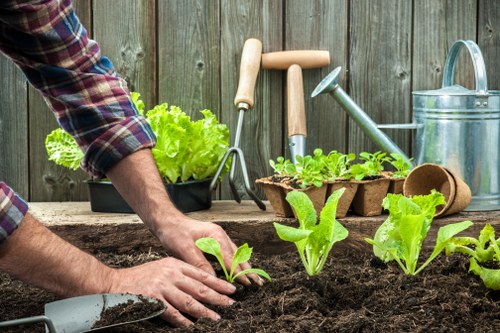 Lawn Mowing Chelsea is committed to creating an eco-friendly waste disposal area and a thriving sustainable rubbish gardening area across the borough. Our approach to garden waste and green-rubbish handling is built around reducing landfill, boosting reuse and improving local composting. With residents increasingly conscious of the Royal Borough's waste separation practices — including separate streams for food waste, dry recycling and residual waste — we align our services with local council principles to support efficient, responsible disposal for every Chelsea garden we care for.
As specialists in lawn mowing in Chelsea, we emphasise practical on-site segregation: woody prunings, turf and leaves are kept apart from municipal mixed recycling and food scraps, while suitable arisings are diverted to community composting or mulch production. Our team trains to spot material ideal for reuse or donation, and we prioritise low-impact handling. We also adopt proven techniques to limit contamination of recyclable materials, helping both our clients and the borough maintain high diversion rates and a greener kerbside profile.
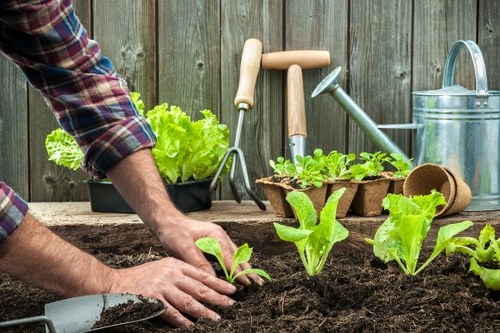 We have set a clear recycling percentage target to drive measurable improvement across our operations. Our immediate goal is a 70% recycling and reuse rate for all garden and green waste collected within two years, with a stretch ambition of reaching 80% by 2030. These targets cover composting, chipping for mulch, redistribution of reusable materials to partners and minimising residual waste. By publishing progress and refining practices, Lawn Mowing Chelsea demonstrates how local services can support borough-level aspirations and circular-economy outcomes.
Our logistics strategy anchors a sustainable rubbish gardening area on the ground. We operate a fleet of low-emission, low-carbon vans — including hybrid and fully electric vehicles — to transport green waste to appropriate facilities. Fleet telematics and route optimisation reduce mileage and idling, cutting carbon and noise across the narrow streets of Chelsea. For smaller inner-borough jobs we also use electric cargo bikes and trailers where feasible, reducing vehicle movements and delivering a quieter, cleaner neighbourhood service.
 We partner with local transfer stations and waste hubs to ensure materials are handled correctly. Rather than sending mixed loads to landfill, we prioritise borough transfer stations and West London sorting facilities that accept segregated green waste, wood chippings and compostable organics. These transfer nodes are crucial to an effective eco-friendly waste disposal area: they enable onward processing, including community-scale composting, mechanical-biological treatment and recycling streams used by local authorities.
Collaboration is central to our model. Lawn Mowing Chelsea works alongside local charities, community gardens and reuse organisations to extend material life. We donate intact soil, turf, potted plants and usable timber to community allotments and horticultural charities, support food-growing projects with composted green waste and supply mulch to front- and back-garden initiatives. Such partnerships create shared value: less waste, more resources for social projects and strengthened community resilience.
Practical Recycling Activities and Borough Alignment
In tune with the boroughs’ approach to waste separation, our on-site practices reflect local guidance on paper, glass, cans, food waste and garden clippings. Typical recycling activities include:
- Garden composting: segregated green waste transported to composting facilities or used in community compost bays.
- Chipping and mulching: woody prunings processed into mulch for reuse in public planting and private borders.
- Reuse and donation: salvageable materials — stone, planters, timber — redirected to charities and community groups.
These actions help create a practical sustainable rubbish gardening area that reduces disposal costs and supports local circularity. We work within the Royal Borough’s waste collection framework and advise clients on how to co-operate with household recycling schedules, seasonal green waste subscriptions and food-waste collection points.
Low-Carbon Fleet and Operational Standards
 Our low-carbon vans are maintained to maximise fuel efficiency, with regular servicing, driver training in eco-driving and smart scheduling. Where possible, our electric vehicles are charged from renewable energy sources and used for dense, inner-Chelsea rounds to limit emissions. These fleet choices are part of a broader sustainability plan that also includes reduced plastic use for on-site containment, compostable bags where necessary, and reusable crates for material separation.
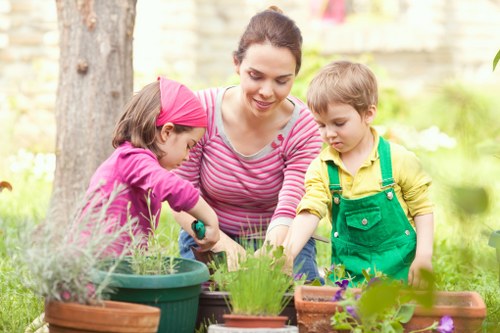 Transparency matters: we track diversion rates, vehicle emissions and donation volumes to report on progress toward our recycling percentage target. We publish aggregated data to show how Chelsea lawn care and rubbish gardening services can meet community expectations for greener, cleaner public spaces. In addition, we support pilot projects with local environmental groups to test new techniques, such as on-site cold composting and shared community grinders for woody waste.
Conclusion: Lawn Mowing Chelsea combines skilled garden maintenance with a robust, measurable sustainability programme. By aligning with council separation policies, partnering with transfer stations and charities, and investing in low-carbon vans and electric mobility, we create an effective eco-friendly waste disposal area and a sustainable rubbish gardening area for Chelsea's residents. Our targets, processes and collaborations are designed to deliver clear environmental benefits while keeping local gardens healthy and vibrant.