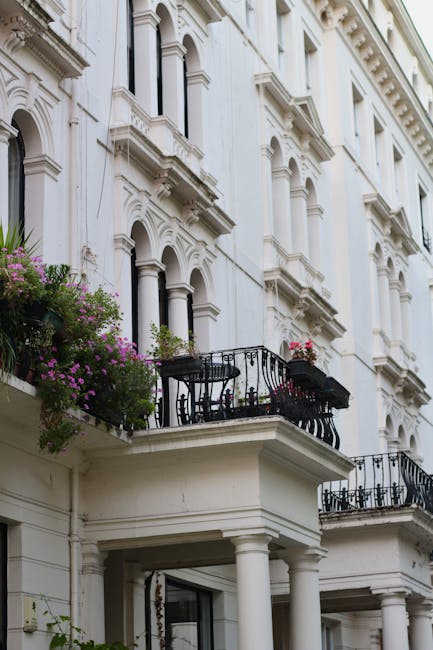
Sloane Square Balcony Gardening Guide for Chelsea Flats
If you live in a Chelsea flat near Sloane Square, a balcony can become more than a narrow outdoor ledge. With the right plant choices, layout, and a bit of routine care, it can turn into a pocket-sized retreat that feels calm, green, and genuinely useful. This Sloane Square balcony gardening guide for Chelsea flats is written for people who want something beautiful, manageable, and realistic for London life. Not a magazine fantasy. Something that works on a windy Thursday morning, in a shaded courtyard, or on a balcony that only gets a few hours of sun.
Balcony gardening in this part of Chelsea usually comes with a few familiar challenges: limited space, changing light, drying winds, neighbours above and below, and the simple reality that you may not want a complicated setup. That is fair enough. The good news? You do not need a huge budget or a countryside garden mindset to make it work. You just need the right structure, sensible planting, and a bit of patience.
Below, you will find practical advice on layout, plant selection, maintenance, safety, and the small decisions that make a big difference. If you want a balcony that looks good in spring, survives summer, and still feels tidy by autumn, you are in the right place.
For broader help with outdoor property care and local service options, you may also find the services overview and pricing and quotes page useful when planning ongoing support.
Table of Contents
- Why Sloane Square balcony gardening guide for Chelsea flats Matters
- How Sloane Square balcony gardening guide for Chelsea flats Works
- Key Benefits and Practical Advantages
- Who This Is For and When It Makes Sense
- Step-by-Step Guidance
- Expert Tips for Better Results
- Common Mistakes to Avoid
- Tools, Resources and Recommendations
- Law, Compliance, Standards, or Best Practice
- Options, Methods, or Comparison Table
- Case Study or Real-World Example
- Practical Checklist
- Conclusion
- Frequently Asked Questions
Why Sloane Square balcony gardening guide for Chelsea flats Matters
Balcony gardening matters because it gives flat owners and tenants a real way to bring life, privacy, and calm into a compact home. In Chelsea, where many properties are period conversions, mansion blocks, or modern apartments with modest terraces, outdoor space is often precious. You may not have much of it, so every decision has to earn its place.
A well-planned balcony can soften hard architecture, create a sense of enclosure, and make your flat feel more personal. That is not a small thing. A row of healthy herbs can make a kitchen feel lived-in. A climbing plant can turn a bare railing into a green screen. A couple of planters can reduce the feeling that your only view is stone, glass, and railings. Tiny shift, big mood change.
It also matters because balcony gardening has to work within the realities of London weather and urban living. A balcony near Sloane Square may face reflected heat from nearby buildings, sudden wind tunnels between facades, or shade from neighbouring blocks. Some balconies get drenched in summer sun; others are cool and damp. The planting strategy has to fit the microclimate, not some generic gardening rulebook.
There is a practical side too. In a Chelsea flat, a balcony garden should be neat, safe, and low-friction to maintain. If your plants spill soil, block drainage, or need daily fussing, the whole idea can become a burden. Done well, though, it becomes one of those small pleasures you notice every morning when you open the curtains. Coffee, birdsong, damp compost after rain. Simple things.
How Sloane Square balcony gardening guide for Chelsea flats Works
At its core, balcony gardening works by using containers, vertical surfaces, and smart plant grouping to create a thriving mini-ecosystem in a restricted space. Think of it less like gardening in the ground and more like designing a compact growing system.
The process usually starts with four questions:
- How much light does the balcony actually get?
- How much wind exposure is there?
- How much weight can the balcony reasonably handle?
- How much time do you want to spend maintaining it?
Once you know those basics, the rest becomes much easier. A bright south- or west-facing balcony may suit tomatoes, rosemary, geraniums, and other sun lovers. A shadier north-facing one will usually do better with ferns, ivy, heuchera, hostas in pots, and shade-tolerant herbs like mint. If the space is windy, heavier pots and lower-profile planting are your friends. If it is sheltered, you can be a little more ambitious.
Container choice matters more than many first-time balcony gardeners realise. Terracotta looks elegant but dries quickly. Plastic is lighter and often easier to move. Metal can get hot. Wood feels natural but needs care. And self-watering planters can be a quiet lifesaver if you are often away or simply do not want to water every day in July.
Balcony gardening also works best when you design in layers. Use the floor for larger planters, the wall or railing for vertical supports, and the middle height for hanging pots or tiered stands. That way, the balcony feels full without becoming cluttered. If you have ever walked onto a cramped balcony and felt instantly boxed in, you already know why this matters.
Key Benefits and Practical Advantages
A good balcony garden does more than look nice. It changes how the space functions.
- Better use of limited square footage: Vertical planting and compact containers make the most of small outdoor areas.
- Privacy and softness: Plants can obscure sightlines and make a balcony feel less exposed.
- Improved mood: Greenery gives the eye somewhere restful to land, especially in dense urban surroundings.
- Fresh herbs and edible extras: Even a couple of pots can provide basil, mint, parsley, thyme, or chives.
- Seasonal interest: Changing flowers and foliage keep the balcony from feeling static.
- Lower-maintenance outdoor enjoyment: Compared with a full garden, a balcony can be much easier to keep under control.
There is also a design advantage that people sometimes overlook. A balcony garden helps connect the indoors and outdoors, especially in flats with open-plan living. A few matching pots, a coherent colour palette, and one or two statement plants can make the whole home feel better put together. Not fussy. Just considered.
And if you are thinking long term, a tidy, healthy balcony space tends to age well. It is easier to maintain a consistent look than to constantly rework a messy patchwork of random planters. That is especially useful in busy city life, where you do not want yet another thing demanding attention.
Who This Is For and When It Makes Sense
This guide is for Chelsea residents who want a balcony that is attractive without being high-maintenance. It suits renters, leaseholders, busy professionals, downsizers, and anyone living in a flat where outside space is valuable but limited. If you have ever looked at your balcony and thought, "I should really do something with this," then yes, this is for you.
It makes sense if you want one or more of the following:
- a calmer outdoor corner for reading or morning coffee
- better privacy from neighbouring windows
- edible plants for cooking
- a more polished property presentation
- a sustainable green space in a hard urban setting
It also makes sense if you are in a building with rules about external appearance, because balcony gardening can be kept neat and reversible. That matters in flats, where flexibility is often more important than permanence. If you rent, for example, you probably want planting that is easy to remove and does not leave marks on the walls or railings. Sensible, tidy, low-drama.
Truth be told, balcony gardening is not for everyone. If you travel constantly and dislike maintenance, keep it minimal. A few hardy pots are better than a full display that collapses after a fortnight. On the other hand, if you enjoy tending things on a Saturday morning, even a modest balcony can become a proper pleasure.
Step-by-Step Guidance
Here is a practical way to build a balcony garden that suits Chelsea flat living without overcomplicating the job.
1. Assess the balcony conditions
Start by watching the balcony at different times of day. Morning light, afternoon sun, wind, and shade all matter. Notice where rain hits and where water tends to sit. A quick observation during a bright 10 a.m. window and again near sunset can tell you a lot.
If you want outside support for broader property care, the team behind lawnmowingchelsea.co.uk can be a useful point of reference for local garden-related services in Chelsea.
2. Decide what you want the balcony to do
Before buying a single pot, choose the main purpose. Do you want:
- a decorative display
- a small herb garden
- privacy from neighbours
- a pollinator-friendly space
- a mix of all four
Trying to do everything often creates clutter. One strong purpose makes the layout clearer.
3. Choose the right containers
Pick containers that suit both the plant and the building. Make sure they have drainage holes unless they are self-watering systems. Use saucers carefully, because excess water can stain balconies or create a mess after heavy rain. If weight is a concern, go lighter on the large pots and avoid overloading one side of the balcony.
4. Match plants to light and exposure
In sunny spots, choose Mediterranean-style herbs, compact tomatoes, pelargoniums, salvias, and drought-tolerant flowering plants. In shade, go for ferns, ivy, coleus, heuchera, and some spring bulbs in pots. For windier balconies, choose sturdy, flexible plants rather than tall, floppy varieties that will look battered after the first gust.
5. Build in height
Use plant stands, wall-mounted supports if permitted, hanging baskets, or railing planters designed for balconies. Vertical layering gives the impression of more space without crowding the floor. It can also create a nicer view from indoors, which is half the point, really.
6. Set up watering and feeding routines
Container plants dry out faster than ground plants, particularly in summer. Water deeply rather than a little bit often. Check soil with your finger before watering; if the top inch is dry, it may be time. Add feed according to the plant type and season, but keep it simple if you are new to this. Overfeeding is a common mistake. More is not always better, annoyingly.
7. Maintain and refresh
Deadhead flowers, trim leggy growth, remove yellow leaves, and replace tired plants when needed. A quick 10-minute tidy every few days can keep the balcony looking intentional rather than abandoned. That bit of rhythm makes a world of difference.
Expert Tips for Better Results
These are the small, practical details that often separate a decent balcony from one that feels genuinely well designed.
- Use a consistent colour palette. Two or three main colours often look calmer than a rainbow mix.
- Group plants with similar needs. Dry-loving plants should not be squeezed in with thirsty ones unless you enjoy constant compromise.
- Choose heavier pots for exposed sites. They are less likely to tip or shift in strong wind.
- Keep at least one corner clear. A little breathing space makes the balcony feel larger.
- Lift pots off the floor where possible. This improves drainage and helps prevent staining.
- Pick one focal point. A specimen olive, bay tree, hydrangea, or elegant climber can anchor the whole design.
- Plan for winter early. Not everything survives frost or wet spells, so have a seasonal plan rather than waiting for plants to fail.
One thing people often underestimate is texture. Glossy leaves beside feathery foliage, or architectural shapes beside soft trailing plants, creates depth even in a very small space. You do not need many plants. You need the right ones.
And if you are the kind of person who forgets watering now and then, be honest about it. There is no prize for choosing needy plants. Better to have three resilient pots than ten unhappy ones.
For readers who prefer to outsource some of the practical maintenance around outdoor spaces, it can also help to review the company's health and safety policy and insurance and safety information before booking any service involving equipment, access, or external areas.
Common Mistakes to Avoid
Balcony gardening mistakes are usually simple, but they can quickly turn a promising setup into a headache.
- Ignoring wind exposure: A beautiful tall plant can look exhausted within days if the balcony is a wind tunnel.
- Using too many tiny pots: They dry out quickly and create visual clutter.
- Forgetting drainage: Waterlogged roots are one of the fastest ways to lose plants.
- Overcrowding: New plants need airflow and light; cramming them together causes problems.
- Buying for looks only: A plant that looks perfect in the shop may be hopeless for your actual balcony conditions.
- Making maintenance unrealistic: If the routine is too demanding, it will slip. Usually by week three, if we are being honest.
A less obvious mistake is ignoring the view from inside the flat. You may spend more time looking out at the balcony than standing on it. If the arrangement only looks good from one angle, it can feel disappointing in daily use. Try to make the interior-facing view part of the design.
Another common issue is poor water management. Overwatering a balcony can create drips, puddles, and grumpy neighbours below. Underwatering causes stress and leaf drop. A balanced routine, with proper drainage, is much easier than trying to rescue plants after they have already struggled.
Tools, Resources and Recommendations
You do not need a shed full of gear to get started. A compact toolkit is usually enough.
- a watering can with a narrow spout
- lightweight containers with drainage holes
- quality potting compost suited to container plants
- hand trowel and secateurs
- plant ties or soft supports for climbers
- saucers or trays to protect surfaces where appropriate
- a simple moisture meter, if you prefer a quicker check
For ongoing care, choose plants from reputable garden centres or local nurseries rather than buying only on impulse. Look at the mature size, water needs, and sun preference. That label matters more than the flower photo. Always.
If sustainability matters to you, it is worth choosing peat-free compost where possible and reusing containers that are still in good condition. For broader guidance on greener household choices, the page on recycling and sustainability is a sensible place to start.
If you are planning more than a simple refresh and want help with maintenance or related outdoor services, the full services overview can help you understand what support may be available.
Law, Compliance, Standards, or Best Practice
Balcony gardening in a Chelsea flat is usually straightforward, but there are a few practical rules and standards worth keeping in mind. This is not legal advice, and building rules can vary, so always check your lease, tenancy agreement, or building management guidance before making changes.
Common best-practice points include:
- Weight awareness: Balconies are structures, so avoid excessive loads without checking what is permitted.
- Drainage control: Prevent water from causing nuisance, staining, or runoff onto neighbouring property.
- Fire safety awareness: Keep exits clear and avoid blocking access routes with planters or furniture.
- Fixings and attachments: Do not drill or attach items to railings or walls unless you are explicitly allowed to do so.
- Shared-building consideration: Keep noise, mess, and debris under control so you do not affect neighbours below.
If you are arranging any professional help for external maintenance, it is sensible to check practical business pages such as the payment and security page and the accessibility statement if you want to understand how the provider handles service access and customer experience.
One more thing, because it does matter: if your balcony is part of a larger residential block, estate rules may be stricter than you expect. Better to ask first than to be told off later for something as innocent as a trailing planter. Nobody enjoys that phone call.
Options, Methods, or Comparison Table
Different balcony gardening methods suit different lifestyles. Here is a simple comparison to help you choose the approach that fits your flat and your routine.
| Method | Best for | Pros | Watch-outs |
|---|---|---|---|
| Herb-only balcony garden | Home cooks and beginners | Compact, useful, easy to understand | Needs regular watering and trimming |
| Ornamental container display | Visual impact and seasonal colour | Beautiful, flexible, great for kerb appeal | Can become messy if not maintained |
| Privacy planting | Overlooked balconies | Softens sightlines and feels more secluded | Needs careful container choice and secure placement |
| Pollinator-friendly balcony | Nature lovers and sustainability-minded residents | Supports bees and butterflies, long flowering season | Needs the right plant mix and deadheading |
| Low-maintenance evergreen setup | Busy homeowners and renters | Stays tidy, survives seasonal changes better | Less dramatic colour unless paired with seasonal pots |
For many Chelsea flats, the best option is a hybrid approach: a few evergreens for structure, some herbs for usefulness, and one or two flowering plants for seasonal lift. That balance tends to age gracefully, which is useful when your balcony is not huge and you do not want to start from scratch every few months.
Case Study or Real-World Example
Imagine a second-floor flat near Sloane Square with a modest west-facing balcony. It gets late afternoon sun, a bit of wind, and a view over neighbouring roofs. The owner wants something attractive but does not want to spend every weekend pruning.
The final setup is simple:
- one larger pot with a compact bay tree as the focal point
- two medium planters with rosemary and lavender
- a slim railing planter with herbs for daily cooking
- one trailing plant in a hanging container to soften the edge
- a foldable chair and small side table kept clear of the soil zone
The result is not flashy. That is the point. From inside the flat, the balcony looks intentional and green. From outside, it reads as calm and neat rather than crowded. The owner waters every two or three days in warmer weather, trims lightly once a week, and swaps one seasonal planter in autumn. No drama. No jungle. Just a space that quietly improves daily life.
This is the kind of balcony design that works well in real Chelsea homes because it respects the limits of the space. It is also easier to maintain when life gets busy, which, let's face it, is most of the time.
Practical Checklist
Use this checklist before you buy plants or rearrange your balcony:
- Have I checked how much sun the balcony gets?
- Do I know whether the space is windy or sheltered?
- Have I confirmed any building or lease restrictions?
- Are my containers the right size and weight?
- Do the pots have drainage or a safe watering plan?
- Have I chosen plants for my real conditions, not just for appearance?
- Is there enough space to move around safely?
- Will the layout still look good from inside the flat?
- Can I maintain this setup in under 15 minutes a few times a week?
- Have I planned for winter or holiday absences?
Also worth checking: if you need professional support for related outdoor services, the company's quote and pricing information can help you decide what fits your budget before you commit.
Conclusion
A balcony in Sloane Square or wider Chelsea can be small, but it can still feel generous if you garden it with care. The secret is not packing in more plants. It is choosing better ones, grouping them thoughtfully, and working with the light and weather rather than fighting them.
If you keep the design practical, the maintenance manageable, and the layout clean, your balcony can become one of the nicest parts of your flat. A little green, a little privacy, a little seasonal change. Enough to make the space feel yours.
Get a free quote today and see how much you can save.
And if you are still deciding how ambitious to be, that is perfectly fine. Start small, watch what works, and let the balcony teach you. It usually does, in its own quiet way.
Frequently Asked Questions
What is the best way to start balcony gardening in a Chelsea flat?
Start with the light conditions, then choose a few containers and plants that suit that space. A small, well-matched setup is much better than buying lots of plants and hoping for the best.
Which plants work best on a Sloane Square balcony?
That depends on sun and wind, but hardy herbs, pelargoniums, lavender, bay, ivy, heuchera, and compact evergreen shrubs are common choices. For shady balconies, ferns and shade-tolerant foliage plants often do better.
How do I make a small balcony look bigger with plants?
Use vertical layers, keep one area clear, and avoid too many tiny pots. A consistent colour palette also helps the space feel calmer and more spacious.
Can I grow vegetables on a balcony in Chelsea?
Yes, if the balcony gets enough light. Tomatoes, salad leaves, radishes, spring onions, and some dwarf varieties can work well in containers. Just be honest about how much sun you actually get.
How often should I water balcony plants?
Container plants often need watering more frequently than garden plants, especially in summer. The exact frequency depends on the pot size, plant type, and exposure, so check the soil rather than relying on a fixed schedule.
Do I need permission to set up balcony planters in a flat?
Sometimes, yes. Leasehold properties and managed blocks may have rules about attachments, weight, appearance, or drainage. It is sensible to check before making structural changes or adding fixed items.
What are the most common balcony gardening mistakes?
The biggest ones are choosing the wrong plants, overcrowding the space, ignoring drainage, and underestimating wind. Overwatering can also cause problems, especially on balconies without good runoff control.
How do I stop balcony planters from making a mess?
Use saucers carefully, avoid overfilling pots, and make sure water has somewhere safe to go. Lighter mulch can also help reduce soil splash in windy weather.
Is balcony gardening expensive?
It can be very affordable if you start small. Costs rise when you buy large pots, premium compost, self-watering systems, or mature plants. A simple setup can be built gradually over time.
What is the best low-maintenance balcony garden style?
A low-maintenance mix of evergreen structure, a few robust flowering plants, and herbs you actually use is usually the easiest to keep going. The key is to choose plants that fit your routine, not someone else's idea of a perfect balcony.
How do I protect plants from wind on a high balcony?
Use heavier pots, keep tall plants protected, and choose sturdy varieties with flexible stems. Positioning matters too. Even moving a planter a short distance can reduce wind stress.
Can I get professional help with balcony gardening or outdoor maintenance in Chelsea?
Yes. Depending on what you need, you may want help with plant care, tidy-up work, or related outdoor services. It is worth reviewing a provider's service details, safety information, and pricing before booking.