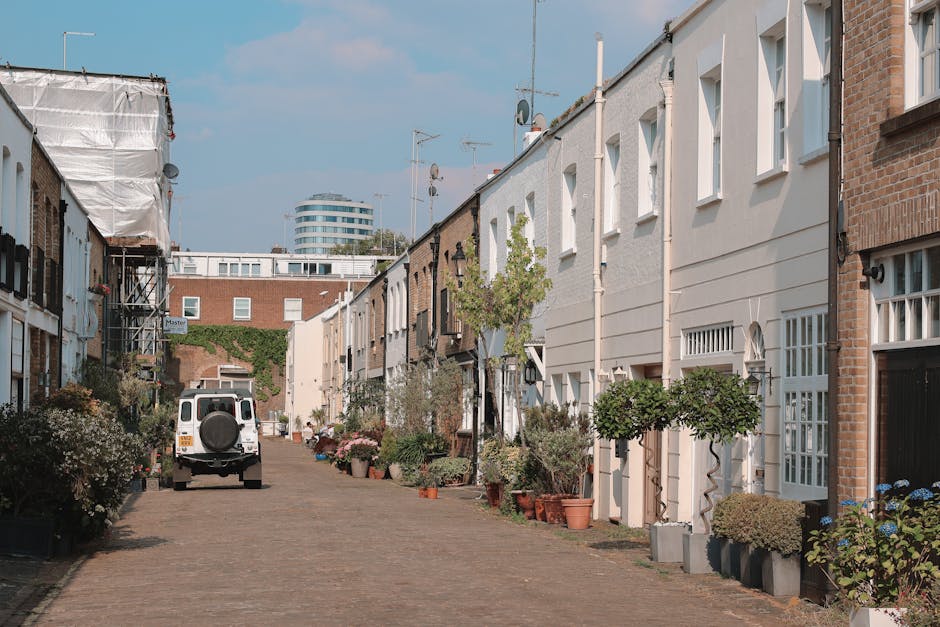
Real cost guide for gardeners in SW10 Chelsea properties
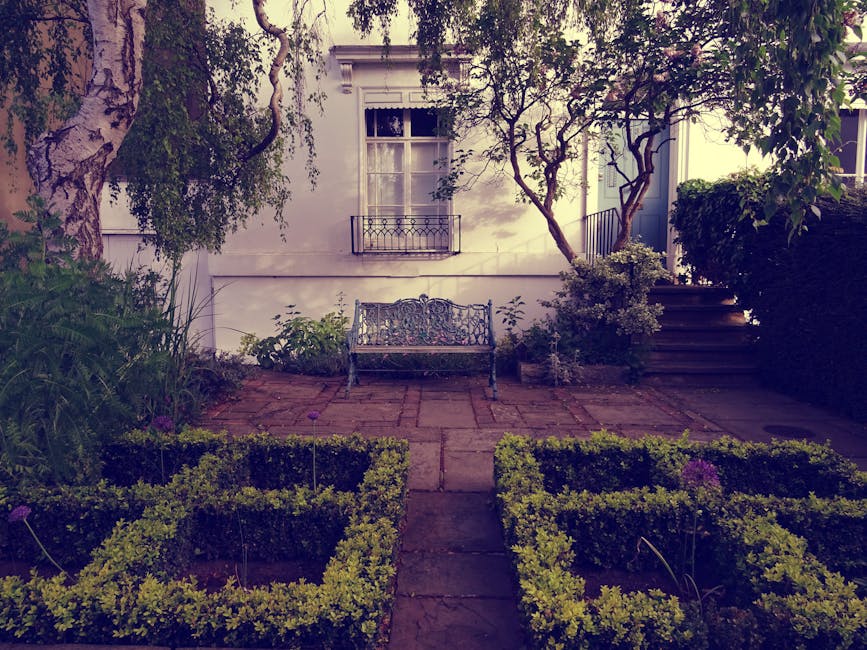
If you are trying to budget for garden care in SW10, you are probably noticing something odd: two homes that look similar on the outside can produce very different gardening quotes. A narrow Chelsea courtyard, a tucked-away mews plot, a small front garden with mature shrubs, or a terrace with awkward access can all change the final price in a real, practical way. This guide to the real cost guide for gardeners in SW10 Chelsea properties breaks down what you are actually paying for, what affects the bill, and how to compare quotes without feeling like you need a finance degree just to tidy the lavender. To be fair, that happens more often than people admit.
We will look at typical pricing factors, the kinds of jobs that cost more than you might expect, where value really lies, and how to avoid paying for fluff you do not need. If you are comparing one-off help with ongoing garden maintenance, or wondering whether your place needs a simple tidy-up or a more involved service, this article should give you a much clearer picture. And yes, we will keep it grounded in the realities of Chelsea properties, not generic garden advice written from somewhere far away.
- Why real pricing matters in SW10
- How gardening costs are usually worked out
- Key benefits of getting the cost view right
- Who this guide is for
- Step-by-step guidance
- Expert tips for better results
- Common mistakes to avoid
- Tools, resources and recommendations
- Law, compliance, standards, or best practice
- Options, methods, and comparison table
- Case study or real-world example
- Practical checklist
- Conclusion
- Frequently asked questions
Why Real cost guide for gardeners in SW10 Chelsea properties Matters
Garden care in Chelsea is rarely just about mowing a lawn and leaving. In SW10, properties often come with a mix of design quirks, access limitations, and higher expectations around finish. A quote that looks low on paper can become expensive if it ignores disposal, difficult access, extra pruning, or the time needed to work carefully around stone paving, planters, irrigation, and delicate planting schemes.
That is why a real cost guide matters. It helps you separate the genuine price of work from the vague numbers people throw around when they have not seen the garden. It also helps you decide whether you need a one-off clearance, regular upkeep, hedge trimming, or a broader package that includes lawn mowing and more detailed care. Once you know how the price is built, it becomes much easier to ask the right questions. Simple, but surprisingly powerful.
There is another reason too. In a neighbourhood like Chelsea, presentation matters. A garden that is well kept can lift the feel of the whole property, while a neglected one can make everything feel a bit tired. Sometimes it is the first thing people notice when they step through the gate. A neat border, trimmed edge, and clean patio can do a lot with very little noise.
How Real cost guide for gardeners in SW10 Chelsea properties Works
Most gardening costs are based on a blend of labour, time, access, materials, and disposal. The bigger or more complicated the job, the more likely the quote will rise. That sounds obvious, but the detail matters. A small courtyard with easy access may be quicker to maintain than a larger back garden with steep steps, mature planting, narrow side access, and a few hidden corners where debris collects like it owns the place.
What usually affects the price
- Garden size: More square footage normally means more time and effort.
- Job type: Routine maintenance costs less than clearance, redesign, or hard pruning.
- Access: Tight access can increase labour time and manual handling.
- Condition: A neglected garden almost always costs more than a kept-up one.
- Disposal needs: Green waste removal can add to the total.
- Frequency: Regular visits often work out better value than emergency tidy-ups.
- Specialist work: Tree work, decking, or landscaping usually needs separate pricing.
In practice, a gardener will often want to know what is there before giving a meaningful estimate. Some provide a rough guide from photos, but a proper price usually comes after they understand the layout, the state of the beds and lawn, and whether there are extras such as hedges, overgrowth, or stubborn seasonal growth. There is a difference between "could be done in an hour" and "could be done in an hour if nothing fights back."
For larger or more involved projects, the cost structure can shift from hourly labour to fixed-price quoting. That is common for jobs like garden clearance, where the work is less about routine upkeep and more about bringing a space back under control. Fixed pricing can be helpful because it gives clarity, but only if the scope is clearly set out first.
Key Benefits and Practical Advantages
Getting the cost picture right does more than protect your wallet. It improves the way you plan the garden itself. When you understand where the money goes, you can prioritise what really matters and stop paying for services you do not need.
- Better budgeting: You can set aside realistic funds for seasonal care rather than guessing.
- Cleaner comparisons: You can compare quotes on a like-for-like basis instead of apples with pears.
- Fewer surprises: Access, waste removal, and specialist tasks are less likely to catch you out.
- Smarter scheduling: You can decide whether regular visits or seasonal work gives better value.
- Improved results: A clearer brief often leads to a better finished garden.
There is also a psychological benefit, oddly enough. Once you understand what a fair quote looks like, the process feels less stressful. You can ask direct questions without feeling awkward, and you are less likely to accept a rushed price that does not fit the job. That confidence matters, especially when you are dealing with a property you care about.
If your garden includes planted borders, climbers, or a more considered layout, a maintenance plan can be more cost-effective than repeatedly paying for reactive tidying. In those cases, services such as hedge trimming and structured upkeep tend to preserve the look of the space while preventing larger problems later on.
Who This Is For and When It Makes Sense
This guide is useful for homeowners, tenants, landlords, managing agents, and anyone responsible for a Chelsea property with outdoor space. It is especially relevant if you are trying to decide whether a garden is worth maintaining regularly or whether a one-off service is the smarter route.
It makes particular sense if you are:
- moving into a property and want a realistic first-year garden budget
- preparing a home for sale or letting
- trying to revive an overgrown courtyard or rear garden
- comparing quotes from more than one gardener
- looking for regular upkeep rather than ad hoc work
- managing a property where presentation and reliability matter
It also helps if you have never commissioned garden work before. Plenty of people know what they want the garden to look like, but not how to describe the job in a way that gets an honest quote. That is normal. Very normal. A good gardener can work with a rough brief, but a better brief almost always gives you better value.
For larger or more designed outdoor spaces, the budget may need to stretch into more than maintenance. If the garden needs structural changes, resurfacing, or a fresh layout, then landscaping or landscape gardening may be the more appropriate category, not just routine care. That distinction matters because the pricing logic changes quite a bit.
Step-by-Step Guidance
Here is the practical way to approach garden pricing in SW10 without getting tangled in vague estimates.
1. Define the job clearly
Start by deciding whether you need a one-off tidy, regular maintenance, seasonal work, or a bigger project. If the garden is mostly fine but a bit shaggy, you are in a different pricing lane from a neglected space with dense growth and hidden debris.
2. Note the access and layout
Check whether the gardener can reach the space easily, whether there are side passages, narrow stairs, or restricted access, and whether equipment will need to be carried by hand. In Chelsea properties, access often makes more difference than people expect.
3. List the tasks, not just the outcome
Instead of saying "make it look tidy," list what needs doing: mowing, edging, weeding, hedge cutting, leaf clearance, border cleanup, patio sweeping, or waste removal. Specific tasks make the quote more reliable.
4. Ask how waste is handled
Green waste can be included, charged separately, or limited by volume. Never assume it is automatically included. That tiny omission can become an annoying add-on later.
5. Request a written quote
A written quote reduces confusion. It should explain what is included, what is not, whether materials are extra, and whether the price is hourly or fixed. This is where clarity pays for itself.
6. Compare on quality, not just price
The lowest figure is not always the best value. A slightly higher quote may include better time allocation, cleaner finishing, proper disposal, or the experience needed for delicate garden features. Cheap can be fine. Cheap and vague is the part to avoid.
7. Set a review point
If you are arranging recurring work, review the results after the first visit or two. The right level of maintenance in a Chelsea property often becomes obvious once the garden has been seen in practice.
One small but useful habit: keep a few photos before and after the work. Not for social media, unless that is your thing, but to help you see whether the service level matches the spend over time.
Expert Tips for Better Results
Here is where the money-saving gets a bit smarter. The most cost-effective garden work is usually the work that prevents bigger problems later.
- Book before things get out of hand: A routine visit is usually easier to price than a rescue mission.
- Group jobs together: Mowing, trimming, and weeding in one visit can be more efficient than splitting them up.
- Choose the right season: Some tasks are naturally more efficient at certain times of year.
- Be honest about the condition: If the garden is overgrown, say so. It saves everybody time.
- Prioritise visible areas first: Front gardens, entrances, and seating areas often deliver the biggest impact per pound spent.
If you are managing a courtyard or compact rear plot, consider how much upkeep is needed to preserve the design. Smaller gardens can actually be more detailed to maintain than bigger ones, because every inch is on show. You notice the weeds more. The edges more. Even the one rogue plant that looks slightly smug.
Another useful tip is to ask whether the gardener recommends a maintenance cadence rather than a single visit. Sometimes a monthly or fortnightly rhythm is cheaper in the long run because it stops the garden slipping backwards. It sounds simple, because it is.
Common Mistakes to Avoid
People often make the same pricing mistakes, and they are easy enough to avoid once you know what to look for.
- Accepting a quote without a scope: If you do not know what is included, you do not really know the price.
- Ignoring waste removal: Disposal can add a meaningful amount, especially after clearance work.
- Choosing only by headline cost: The cheapest quote can become expensive if it misses key tasks.
- Underestimating access issues: Stairs, tight passages, and limited parking can change labour time.
- Mixing maintenance and landscaping: These are different jobs and should usually be priced differently.
- Waiting until the garden is badly overgrown: Regretting it later is a bit of a London ritual, sadly.
A less obvious mistake is assuming every gardener works in the same way. Some are best for regular upkeep, some are stronger on clearance, and some are better suited to design-led work. Matching the person to the job is part of getting the cost right. Not glamorous, but it matters.
Tools, Resources and Recommendations
You do not need a shed full of expensive kit to make sensible decisions, but a few simple tools and documents help a lot.
Useful things to have before requesting a quote
- clear photos of the garden from multiple angles
- a rough idea of the garden size
- a list of the exact tasks you want done
- notes on access, parking, and waste removal
- information on any delicate plants, pond features, or fixed structures
Services that may be relevant depending on the job
- Routine garden maintenance for ongoing care and seasonal upkeep
- Garden clearance for neglected or heavily overgrown spaces
- Hedge trimming for shaping, height control, and boundary care
- Tree lopping and removal for larger, specialist work
- Recycling and sustainability if waste handling and responsible disposal matter to you
- Pricing and quotes if you want to understand how estimates are typically presented
And if you are trying to understand the wider range of services before deciding, the services overview is a sensible place to start. It helps you sort the garden tasks into the right buckets rather than guessing.
Law, Compliance, Standards, or Best Practice
For most homeowners, gardening is not a heavily regulated process in the same way as building work, but there are still good standards to follow. A reputable gardener should treat safety, property care, waste handling, and insurance seriously. That is not overkill; it is basic professionalism.
Best practice usually includes:
- clear communication about the scope of work
- careful handling around fragile surfaces, plantings, and structures
- appropriate use of tools and protective equipment
- responsible disposal of green waste
- transparent pricing and no surprise extras
If work involves ladders, power tools, heavier clearance, or tree-related tasks, insurance and safety procedures become even more important. In those cases, it is sensible to ask about the company's approach to risk, property protection, and public safety. You should not need a lecture, but you should get a calm, clear answer.
You may also want to check how a provider handles data, payments, complaints, and service terms if you are planning repeat work. Those things sound dry until you need them. Then they suddenly matter quite a lot. Relevant supporting pages such as insurance and safety, health and safety policy, payment and security, and complaints procedure can help reassure you about how the service is run.
Options, Methods, or Comparison Table
Different garden jobs call for different pricing models. The table below gives a practical way to compare them.
| Service type | Typical pricing approach | Best for | What to watch |
|---|---|---|---|
| Regular maintenance | Hourly or recurring visit price | Kept-up gardens needing consistency | Frequency, scope, and seasonal change |
| One-off tidy-up | Fixed or estimated visit price | Small refresh jobs | Hidden work that appears once started |
| Garden clearance | Usually fixed after inspection | Overgrown or neglected spaces | Waste volume and access |
| Hedge and shrub work | Task-based or hourly | Defined pruning and shaping jobs | Height, thickness, and disposal |
| Tree-related work | Specialist quote | Larger or riskier vegetation | Safety, equipment, permissions, and access |
For many Chelsea properties, the most cost-effective method is not the cheapest line item, but the most suitable service model. A small but regular maintenance plan can preserve value far better than a full rescue job every few months. That is especially true if the garden is part of how the property feels when you walk in from the street. First impressions, as they say, do a lot of heavy lifting.
Case Study or Real-World Example
Imagine a SW10 townhouse with a small front garden, a rear courtyard, and a narrow side access path. On paper, it sounds straightforward. In reality, the courtyard has leaf build-up, the lawn edges are uneven, the hedge has pushed out more than expected, and the side access means all waste has to be carried through carefully. Nothing dramatic, but enough to shape the cost.
The owner initially wanted "a tidy-up." After a walk-through, it became clear the job was really three separate tasks: regular maintenance for the front area, a deeper clean and reset for the courtyard, and hedge trimming with waste removal. The gardener could then price each part properly instead of guessing at a single number. The result was cleaner, easier to budget for, and less likely to produce arguments later.
That sort of example is common. The property may look modest from the street, yet the work inside the boundary takes time and care. The cost is not only about size. It is about complexity, finish, and how much effort is needed to do the job properly. Truth be told, that is where most misunderstandings happen.
Practical Checklist
Use this checklist before you request or accept a gardening quote in SW10.
- Have I listed the exact tasks I want done?
- Do I know whether this is maintenance, clearance, or a specialist job?
- Have I checked access, parking, and entry arrangements?
- Have I mentioned any awkward features, fragile plants, or tight spaces?
- Do I understand whether waste removal is included?
- Have I asked for a written quote or clear estimate?
- Do I know whether the price is hourly or fixed?
- Have I compared at least two options on the same basis?
- Do I want a one-off visit or an ongoing plan?
- Have I asked about insurance, safety, and payment terms?
If you can tick most of those off, you are in a strong position. Not perfect, maybe, but strong enough to avoid the usual traps and make a sensible decision.
Conclusion
The real cost guide for gardeners in SW10 Chelsea properties comes down to one thing: clarity. Once you understand how access, scope, waste, frequency, and specialist tasks shape the price, it becomes much easier to budget with confidence and choose the right service for your garden. In Chelsea, where outdoor spaces can be compact but highly visible, good garden care is often less about spending more and more about spending wisely.
Whether you need regular upkeep, a full clear-out, or help with more detailed work, the best results usually come from a clear brief and a realistic quote. Keep it practical, ask direct questions, and do not be rushed into assumptions. A well-planned garden budget goes further than most people expect, and the space itself usually tells you what it needs once you start looking properly.
If you are ready to take the next step, start by comparing your options and getting a quote that reflects the actual condition of the garden, not just a guess.
Get a free quote today and see how much you can save.
Frequently Asked Questions
How much do gardeners usually cost for SW10 Chelsea properties?
It varies by job size, access, and condition. A small routine visit will usually cost less than a neglected garden or specialist work. The fairest approach is to ask for a written quote after a quick inspection or clear photo review.
Why are garden quotes in Chelsea often higher than expected?
Because access, presentation standards, and the complexity of local properties can add time. Narrow passages, courtyards, waste removal, and detailed planting all affect labour and therefore cost.
Is a fixed price better than an hourly rate?
Not always. Fixed pricing is helpful when the scope is clear. Hourly pricing can be fair for smaller or unpredictable jobs. The best option depends on how well the task is defined.
What should be included in a garden maintenance quote?
Ideally, the quote should explain what tasks are included, how often visits happen, whether waste removal is covered, and whether any materials or specialist work are extra.
Does garden clearance cost more than regular maintenance?
Usually, yes. Clearance often takes longer, creates more waste, and may involve heavier labour if the garden is overgrown or neglected.
Should I pay extra for green waste removal?
Sometimes. Some gardeners include disposal in the quote, while others charge it separately. Always ask before agreeing to the work, because waste handling can change the final price quite a bit.
How do I compare two gardening quotes properly?
Compare the scope, frequency, access assumptions, waste removal, and any extras. If one quote is cheaper, make sure it is not simply leaving out important work.
When should I choose landscaping instead of maintenance?
If the garden needs a structural change, redesign, hard landscaping, or a new layout, landscaping is usually the better fit. Maintenance is for keeping an existing space in good condition.
Do small Chelsea gardens still need regular upkeep?
Yes, often more than people think. Small gardens can become untidy quickly because every feature is visible. A little regular care usually goes much further than one big clear-up later.
What questions should I ask before booking a gardener?
Ask what is included, how long the job should take, whether waste removal is included, whether they have insurance, and whether the price is fixed or estimated. That usually clears up most issues before they start.
How often should a Chelsea property garden be maintained?
It depends on the size, planting, and use of the garden. Some need fortnightly attention in spring and summer, while others only need monthly or seasonal visits. A good gardener should help you find the right rhythm.
Can I save money by combining several garden jobs?
Often, yes. Bundling mowing, trimming, weeding, and cleanup into one visit can be more efficient than booking each task separately. It is not always cheaper, but it often gives better value.
If you want a clearer sense of what your own property might need, it may help to review the service pages and compare them against the current state of the garden. A careful first look saves a lot of guesswork later, and that is usually where the real savings begin.